

Written by: William Thomas
November 26th was a big day for our Product Management class, and the Digital Business Management program as a whole! It was a culmination of a semester’s work for our class project; with the result being the showcase launch event of our Aging Out Loud podcasts and event booths. While it was certainly a big day, and the apex of the Product Management class, it happened in the 12th week of the course. What happened in the other 11 weeks of the course before this? Well, there were a few field trips, a midterm exam, and some guest presentations throughout, but mainly the focus was on building the Aging Out Loud podcast project from the roots up, from a concept to a final showcase event presentation open to all.
It was a tall task, but it turned out to be very successful, in terms of both the quality of the products put forth by teams and the launch event, as well as the in person turnout and positive feedback gathered. When the whole project is worth 40% of the course grade, it results in some pretty intense and high quality effort being put into delivering a great final product and experience!
The project began the first week of class. Everyone was assigned a group of 4 to 6 people, and the project was delivered. The scope of the project was stressed; that it would be an assignment in 5 parts: An initial pitch of a podcast idea, a prototype episode of the approved topic, research and feedback gathered on said prototype, an official first podcast episode, and then finally your booth and presentation at the event launch showcase. It is still a relatively unique idea (and very Hanadi like) that the project would need a strong commitment throughout the entire semester for the end product to succeed. If any one part were to lack quality and polish, the next part would likely suffer, and so would the group’s presentation at the showcase launch event. It would be a bit of an unfortunate event for a group to have a lackluster presence at the event, when industry professionals and some Humber professors and employees attended.
The first week we were also introduced to the notebook, which was meant to be a group’s roadmap for the project. We were to write in it weekly, reference it, and use it to help guide us throughout the semester and keep us on track. It was a good concept, but it had varying levels of success between groups. The other big introduction during the first week was the concept of “showcase roles” also known as jobs. Each individual in the class would have a key part to play in the success of the final outcome of the event launch by having a different assigned part to play, completely separate from their group. For example, there were people scheduled to photograph the big event as “event photographers”, there were people assigned to photograph, coordinate and style everyone in the class for professional group photos which would be used in various ways, and others were to collect feedback from guests at the event, or greet guests at the doors at the in person event. For me, my individual job was to write this piece! People were to apply to individual jobs based on their skillsets, and the concept worked out really well, as students felt more involved throughout, and our professor Hanadi got a well deserved break sometimes.
Week 2 had our class’s first guest speaker(s). We had Nadia Abuseif come into class to talk about strategic foresight in product management, which focused on the interesting and thought provoking key question: What would your life look like in 2050? Later in the class we also had Erin Walker from the Humber Idea Lab discuss podcasting with the class, which we would use to help start up our projects and learn how to create a successful podcast. Throughout the semester, we also had other guest speakers. We had Michael Mongiardi from The Sonar Network | Comedy & Arts Podcasts come in on week 5 to teach us about successful podcasting. Week 10 also had Sherry Fodor come into our class and go over her experience as a product manager of over 25 years, as well as help us learn more about product management (learn more). The guest speakers were really well spoken, had valuable information and experience that they shared, which helped us throughout the stages of our product management experience with the podcasts in the class.
Our first deliverable, the podcast pitch was due on week 3. We had Sue Lantz the founder of Collaborative Aging, which is our industry partner for this project, as well as Nadia Abuseif, come visit our class to watch and deliver feedback on our podcast pitches. The pitches were meant to be a quick five minute presentation of the theme for a podcast that a group had, and how they would effectively implement it. The presentations were insightful and went pretty well, although sticking to the five minute deadline was a tough task. This event was the baseline for the official start of the podcasting project, as well as our collaboration with Sue Lantz.
The next week (4) had us visiting the Humber idea lab for group photoshoots. Organized by some members of our class for their individual showcase jobs, they flew through all 11 groups in the allotted class time. These photos were taken using professional equipment, and were meant to be used on social media, the DigiPod website and LinkedIn for advertising our podcasts and groups. We were also able to use them for personal uses, and I saw some people use them for their LinkedIn profile pictures for example. The photoshoot could be as professional or laid back as a group wanted. My group decided to wear all black to match, and took photos with a few different “serious” poses, which was not always the standard, as some groups had more than a few photos with some funny poses. The photos taken were important to building up group identity and being able to digitally promote our podcasts.
As a class, we also had two field trips, which were in back-to-back weeks, weeks six and seven. The first field trip was to Achievers in downtown Toronto. Achievers is an employee recognition and rewards software, which is what the company is based upon. The visit was good and insightful, where we learned from a first hand perspective about how to build a successful digital product, which we could use some of this learned knowledge and apply it to our podcast project. It was hosted by Chris Fudge, who is the Chief Marketing Officer, and also featured two Humber College Digital Business Management graduates: Lauren Ashmore, and Alexa Shtun. Being pretty close to BMO field area in downtown Toronto on a weekday and trying to leave by car late afternoon was really the only downside of the trip! Our field trip the week after was to a Collaborative Aging event hosted by our industry partner at this point Sue Lantz, and local MP Yvan Baker at Humber Valley United Church. The event was attended by our class, as well as a large group of seniors from the local community, and Sue talked mainly about the topic of five proactive strategies for aging in the community, based on her recent guidebook called Options Open. She also provided an interactive presentation on how to plan your options for successful aging in place which included balanced caregiving. The content from this trip, particularly the interaction with the senior population there was helpful for a lot of us with structuring some of the content within our podcast episode. The field trip was a pretty unique opportunity to witness the interaction between a government representative, a senior care organization and the senior population interact with each other (read full story).
At this point, before reading week, our first podcast prototype episode was due. It was meant to be an unofficial pilot episode around 10 to 15 minutes long with a guest, where we were showcasing our concept developed in the pitch, within the episode. A lot of groups had different guests; some had industry professionals like Sue come on to talk, others had a healthcare worker who primarily served senior citizens, and another had a student’s grandpa on. There were a lot of good conversations with different and unique focuses. Once again the biggest problem we faced was staying within that given timeframe, even after editing down some of the content. After the prototypes were put up for public viewing on the DigiPod website, it was time to gather feedback. There was a Google Form that was available for us to send out to family, friends, and classmates to gather feedback on our prototype. The feedback gathered would then be used to improve and further shape our big initial podcast episode later on, assuming we were properly able to digest and reflect on the received feedback. I know that some groups had issues with gathering relevant and timely feedback on their initial prototype episode.
A big five weeks later, after reading week, a midterm exam and our guest speaker Sherry fodor, we had our podcast episode due. Built off of feedback from teams received from their prototype episodes, these supposed 30 minute (or longer) professional episodes had a recorded intro and outro, a proper introduction of the topic, as well as a partnered ad embedded within, from another podcast group in the class. There were a mixture of different approaches from groups within the class towards the podcast episode. Some groups reused the same guest, while others sought out a new one. Some groups used professional equipment and shot the video in the Humber Idea Lab with an in person guest, while others had their guest connect remotely. Despite the differences, all of the group’s episodes turned out well, and were unique in some fashion. The episodes were put up on the DigiPod website, with each episode and group having their own unique page, which included info about the group members, info about the podcast guest, as well as a brief introduction to the topic(s) discussed within the respective episode.
After the first initial podcast episodes were posted online, the only thing left to do was to prepare for the big showcase event the next week! Which is exactly what the class period the week before the event was. There had to be time to create the poster boards, think of the booth layout, plan what to wear, how to make the presentations interactive, and many other things. This leads into the big showcase launch event day…which is covered in detail in another article! 11 groups each with their own small booth trying to gather the attention of passerby guests. It was a fun and enjoyable experience.
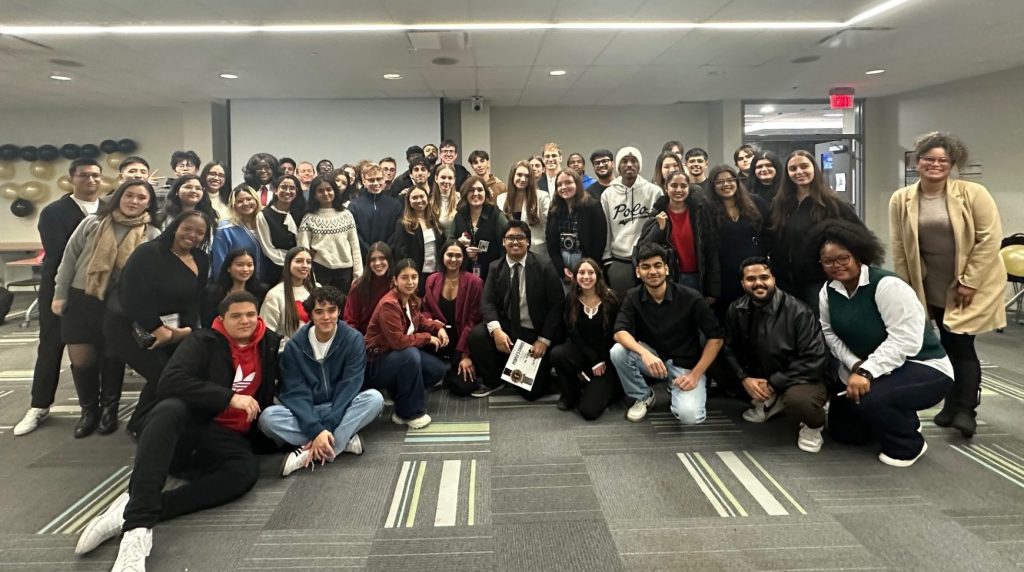
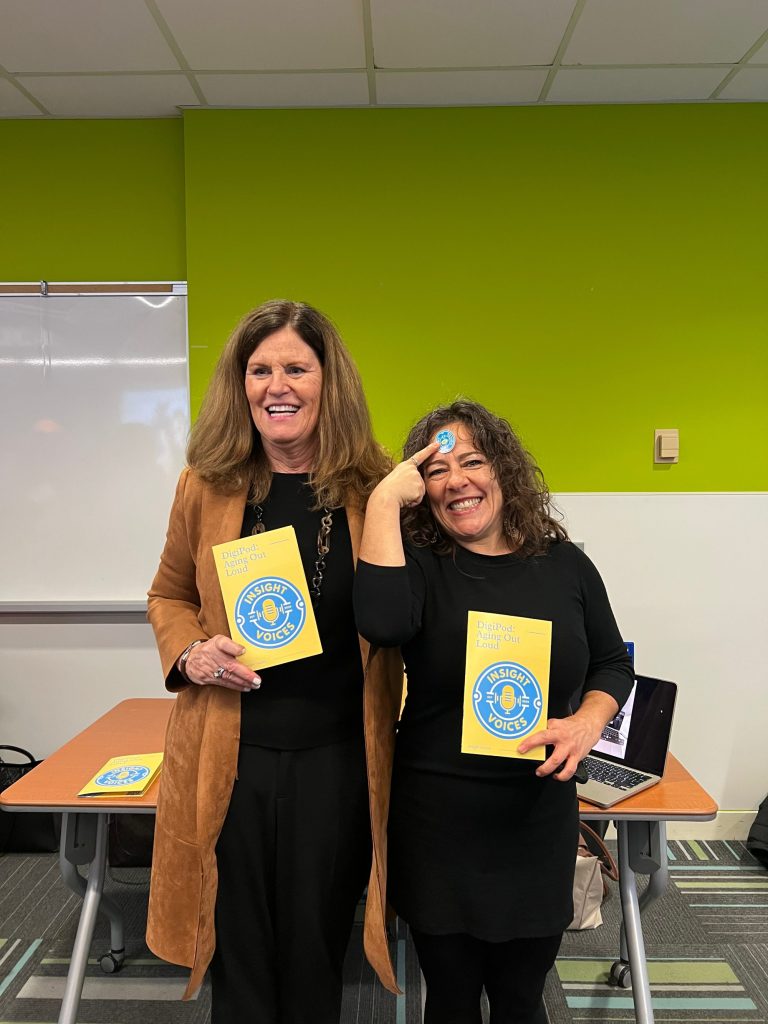
The semester-long podcast project for the fourth year product management class was a fun, informative and interesting project. The five stages all built on the product created in the previous stage, almost as if it was akin to a real product we were trying to create, launch and manage. Well, that was actually the goal of the project, and it was an overall success. Despite not everyone having the technical knowledge required right away to create a podcast, everyone got there in the end, with a combination of knowledge learned from the course and various professional guests throughout the semester. The lessons learned in the course and from this project will help us in the business world even if we don’t decide to necessarily become product managers. A big thanks to our professor Hanadi Alnawab (who is also the Digital Business Management BComm program coordinator), as well as all of our guest speakers throughout the semester, and people and places that accommodate us for class field trips. Enjoy some of the photos taken throughout the semester of the podcast project in action!




 DigiPod.ca
Leave a comment